







Search Results for: single variety
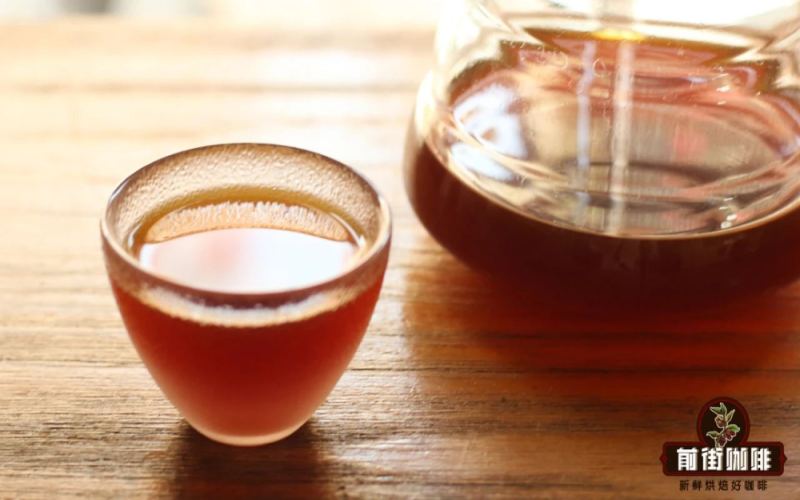
A Flavor Tasting Guide to Single-Origin Pour-Over Coffee: Eight Selected Micro-Lot Bean Recommendations from Front Street Coffee
In recent years, the third wave of specialty coffee has swept in, drawing more and more coffee lovers to single-origin coffee. Single-origin coffee refers to beans from a single producing region; these beans are usually of higher quality, and during roasting, adjustments are made specifically according to the characteristics of the origin and variety, striving to restore the coffee's most authentic regional flavor. So how should a cup of high-quality pour-over single-origin coffee be tasted? And where should you start when choosing beans? This article will guide you through the five key steps of tasting pour-over coffee, and, starting from the three major influencing factors of producing region, variety, and processing method, select eight single-origin beans from Front Street Coffee for your reference, covering classic origins such as Ethiopia, Indonesia, Brazil, Costa Rica, Kenya, Colombia, and Panama, to help you find the cup that suits your taste. [more…]

Black Coffee Bean Varieties | What's the Difference Between Single-Origin Pour-Over Beans and Espresso Blend Beans? Can Espresso Blend Coffee Beans Be Used for Pour-Over Black Coffee?
With the development of specialty coffee, more and more people are falling in love with single-origin coffee. Two types of coffee have emerged on the market: single-origin coffee beans and blended coffee beans. Single-origin coffee beans are generally used for making pour-over coffee, though many specialty coffee shops also use single-origin coffee beans to make espresso. Blended coffee beans [more…]
A Complete Guide to Specialty Single-Origin Coffee Beans: Flavors of the Three Major Regions, Mainstream Processing Methods, and Recommended Common Varieties
Step into the world of specialty coffee, and you'll find the choices far richer than you might imagine. At just one Front Street Coffee location, there are over fifty single-origin coffees on sale, each carrying the unique character bestowed by its different origin. This article begins with the definition of single-origin coffee, explaining what traceable single-origin coffee is, then takes a deeper look at the three major factors that determine flavor—region, variety, and processing method. It then sorts through the flavor tendencies of the three major producing regions—Africa, Asia, and Latin America—and explains them in conjunction with the three common processing methods: natural, washed, and wet-hulled. The article also compiles information on the region, altitude, variety, and flavor of several representative Front Street coffee beans, for coffee lovers to use as a reference when choosing according to their taste. [more…]
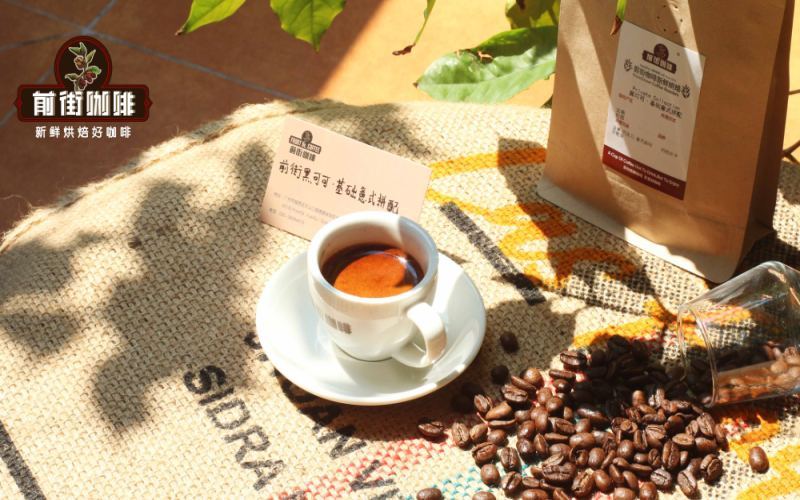
Does a Single-Origin Blend Count as a Single-Origin Coffee? Flavor Analysis of a Costa Rican Honey-Processed and Panamanian Washed Geisha Blend
Blended coffee beans usually bring to mind cross-regional mixes used to create consistent espresso flavors. But what is little known is that there is also a "single-origin blend"—combining coffee beans of different varieties from the same region or even the same estate. Does this kind of blend count as single-origin coffee? How did Geisha's legendary path from the forests of Ethiopia to fame in Panama influence today's blending practices? This article starts with two Geisha blends from Front Street Coffee, separately exploring the flavor differences between Panama Boquete washed Butterfly and Costa Rica Tarrazu raisin honey-process Mirazu, analyzing how washed and honey processing present Geisha's floral aroma and sweetness differently, and includes V60 brewing parameters and flavor descriptions to give you a comprehensive understanding of the logic and charm of single-origin blends. [more…]
A Beginner's Guide to Single-Origin Coffee: Definitions, Classic Regional Flavor Profiles, and Signature Blend Ratio Analysis
What exactly is single-origin coffee? How does it differ from regular coffee? This article will guide you through a systematic understanding of the basic definition and naming rules of single-origin coffee, and review one by one the origins, flavor characteristics, and suitable drinkers of classic single-origin coffees such as Blue Mountain, Colombia, Brazil, Mandheling, Mocha, Kona, and charcoal roast. At the same time, the article also compiles representative single-origin bean blending ratios oriented toward acidity, bitterness, richness, and mildness, for coffee lovers' reference. If you are looking for a reliable channel to buy single-origin beans, Front Street Coffee offers a variety of single-origin beans from classic regions, which can serve as choices for beginners and more advanced drinkers. [more…]
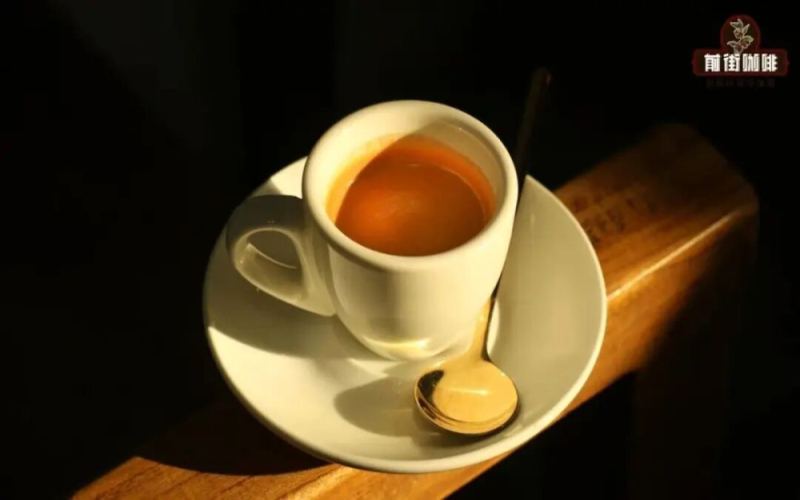
How Do You Distinguish Between Pour-Over, Single-Origin, and Blended Coffee Beans? A Practical Guide for Beginners Choosing Coffee Beans for Home
Faced with a dazzling array of coffee beans, many people get confused by terms like "blend," "single origin," and "pour-over." What exactly do they mean? Which brewing methods suit each? And how should beginners choose beans for home use based on taste preferences and freshness? This article starts with the concepts, sorting out the blending logic of blend beans, the influence of origin and processing method on single-origin beans, and the selection approach for pour-over beans. It also compiles flavor profiles of several popular Front Street Coffee beans, presented in order from light to rich and from brighter to more bitter, helping you quickly lock in on the cup you want to drink. [more…]
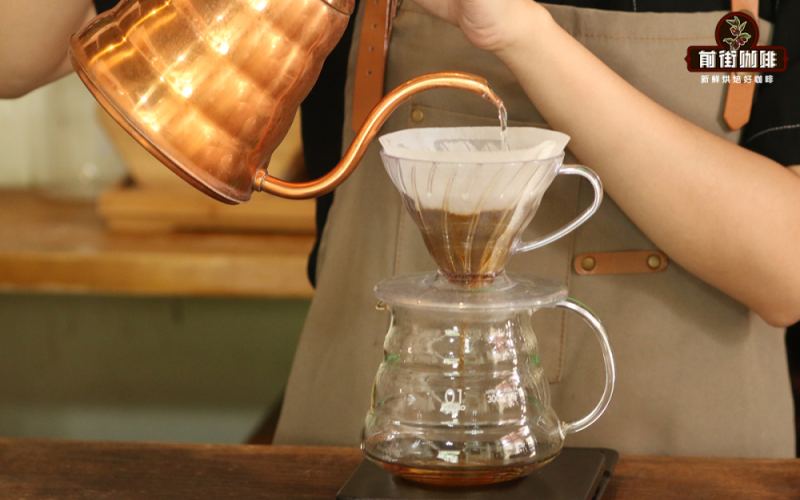
How to Determine the Coffee-to-Water Ratio for Pour-Over Coffee? How Many Beans per Cup? A Comprehensive Analysis of Single-Origin Coffee Bean Varieties
More and more people are starting to try pour-over coffee at home, but when faced with basic questions like the coffee-to-water ratio, how much coffee beans to use, and how to choose single-origin beans, they often don't know where to start. Front Street Coffee, drawing on SCA Golden Cup extraction theory, has put together a practical reference range for pour-over coffee-to-water ratios and answers the question of how many coffee beans are needed for a cup of pour-over. The article also systematically introduces the definition and standards of single-origin coffee beans, focusing on the characteristics and flavor profiles of common varieties under the Arabica species such as Typica, Bourbon, Caturra, and Catuai, while also mentioning the differences between Robusta and Liberica, helping coffee enthusiasts build a complete framework of understanding for single-origin beans. [more…]

A Detailed Guide to Ethiopian Coffee Varieties: What Exactly Does Heirloom Native Species Mean?
When buying Ethiopian single-origin coffee, the "Heirloom" commonly seen on packaging often leaves people puzzled. It is not a specific variety, but a collective term for the vast number of native Arabica varieties in the region. As the birthplace of coffee, Ethiopia has thousands of natural variants, and many producing areas even grow dozens of varieties mixed together, making it impossible to classify them one by one. This article will take you through Front Street's perspective to understand the true meaning of Heirloom, its relationship with flavor, and the stories of specific varieties such as JARC numbered varieties, Geisha 1931, Gori Geisha, and Wush Wush. [more…]
What Are the World's Universally Recognized Great Coffees? A Comprehensive Analysis and Recommendation of Ten Premier Single-Origin Beans
Coffee enthusiasts often ask: what exactly qualifies as the world's top coffee? The answer tends to point to freshly roasted Arabica beans, ground on demand and brewed into that one cup. The flavor quality of coffee is inseparable from the freshness of the beans. Since its founding, Front Street Coffee has sold only freshly roasted Arabica coffee beans, striving to let every enthusiast experience the unique character and taste of different bean varieties. This article will begin with the definition of Arabica, the criteria for judging specialty coffee, and the characteristics of single-origin beans, then introduce ten single-origin coffee beans worth trying one by one, including several representative products from Front Street Coffee, to help you find that cup of good coffee that belongs to you. [more…]
A Comprehensive Analysis of 21 Common Single-Origin and Espresso Specialty Coffee Varieties and Their Flavor Profiles
As the specialty coffee wave continues to deepen, more and more enthusiasts are beginning to explore the coffee flavors of different origins. Compiled by Front Street Coffee, this article systematically introduces common single-origin coffees and espresso types along with their flavor characteristics. The content covers seven major origins of everyday beans, including Ethiopian Yirgacheffe, Brazilian Cerrado, Colombian Huila, and Indonesian Mandheling, as well as four espresso blends: Warm Sun Blend, Specialty Blend, Commercial Blend, and Dark Cocoa Blend. Each coffee is labeled with its country, region, altitude, variety, processing method, and flavor description, helping beginners quickly build an understanding of origin flavors while also appreciating the importance of fresh roasting to quality. [more…]
Single-Origin vs. Espresso Blend Beans: Can Blends Handle Pour-Over?
In today's world of increasingly popular specialty coffee, single-origin beans and blended beans each play an important role. The former is often used for pour-over, showcasing the terroir of its region; the latter is mostly used for espresso, pursuing stability and balance. But can blended beans really not be used for pour-over? And is it feasible to use single-origin beans for espresso? This article will, from the perspective of Front Street Coffee, deeply analyze the essential differences between the two, answer the feasibility of using blended beans for pour-over, and at the same time emphasize the importance of coffee bean freshness. Whether you are a pour-over enthusiast or an espresso player, you can gain practical ideas for choosing beans and brewing from it. [more…]
The Blending Principles and Purposes of Espresso Blend Coffee Beans, and Whether Blend Beans Are Suitable for Pour-Over Coffee
In the specialty coffee wave, single-origin beans and blended beans each have their own followers. Single-origin beans often appear in the pour-over realm, while blended beans mainly target espresso, safeguarding flavor consistency. But why exactly are beans blended? Can blends handle pour-over? And is it feasible to use single-origin beans for espresso? This article starts from Front Street Coffee's fresh-roasting philosophy, clarifies the conceptual boundaries between blends and single-origin, analyzes the process differences between pre-roast blending and post-roast blending, addresses the bean selection and roasting key points for SOE, and explains the rationale for using blended beans in pour-over along with Front Street's specific blending approach. [more…]
What Exactly Is Single-Origin Coffee? Differences from Espresso and the Truth About SOE
Many people mistakenly believe that single-origin coffee beans mean coffee beans of a single variety, but in fact it refers to coffee from the same origin or the same producing region. And SOE (Single Origin Espresso) is not a more premium choice than a blend. This article will clarify the essential differences between single-origin coffee and espresso from the perspectives of extraction principles, roast level, and output consistency, and explain why Front Street Coffee does not serve SOE in its stores, as well as the recipe approach and usage of Front Street Sunflower Warm Sun espresso blend beans, helping coffee enthusiasts build a more accurate understanding. [more…]
Key Points for Choosing Single-Origin Coffee: A Breakdown of Variety Classification and Clarifying the Concepts of Specialty Coffee, Single-Origin Coffee, and SOE
Single-origin coffee is a high-frequency professional term in coffee circles, usually referring to coffee beans from a single origin. The label will indicate information such as the growing region, altitude, processing method, and variety, helping drinkers perceive the flavor characteristics more clearly. Specialty coffee, on the other hand, emphasizes the positive aromas and "taste of place" formed under unique microclimates and geographical conditions. As consumers gain a deeper understanding of origin information, producers invest more energy in the source of specialty coffee, and thus single-origin beans that emphasize a single origin emerged. This article will outline the common extraction methods for single-origin coffee, the relationship between SOE and blended beans, the impact of roasting and freshness on flavor, and the approach to parameter adjustment when making SOE at home, while retaining Front Street Coffee's bean selection and shipping suggestions. [more…]
Comprehensive Analysis of Specialty Single-Origin Coffee: Flavor Characteristics of Representative Beans from Major Producing Regions and a Buying Guide
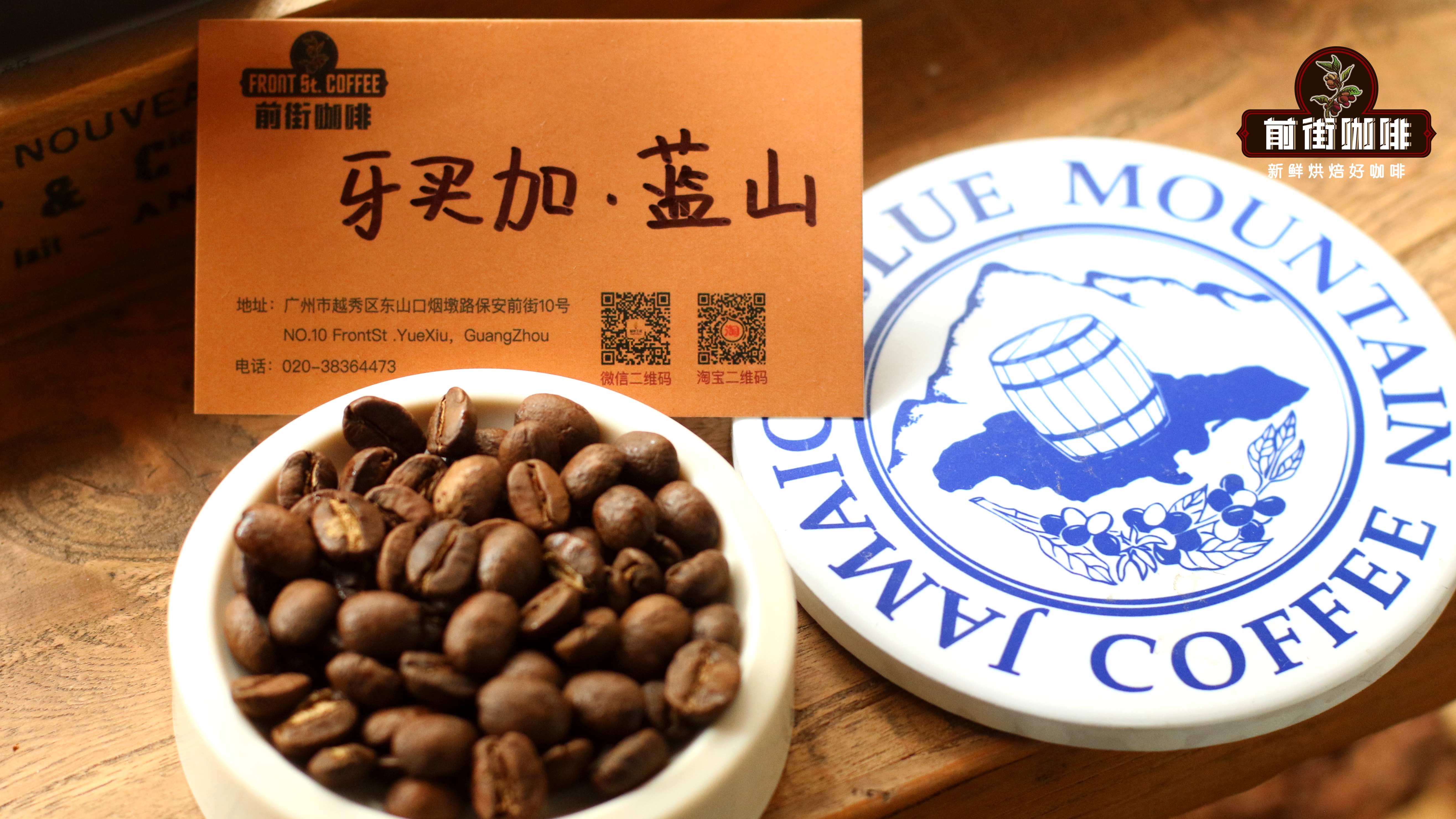
Single-origin coffee is at the very heart of the specialty coffee world, where different regions, varieties, and processing methods give each coffee bean a unique flavor personality. This article will systematically review classic single-origin coffees such as Jamaican Blue Mountain, Indonesian Golden Mandheling, Ethiopian Yirgacheffe, Brazilian Queen's Estate, Colombian Pink Bourbon, Kenyan Small Tomato, and Panamanian Geisha, covering everything from growing altitude and varietal characteristics to processing techniques and flavor descriptions, explaining each one in turn to help coffee lovers build a clear framework for understanding single-origin coffee and find the cup that best suits their taste. [more…]
What coffee beans should you choose for espresso? Single-origin vs. blend differences, SOE key points, and Front Street recommendations
In the world of espresso, the choice of coffee beans often determines the foundation of a cup. The coffee beans commonly found on the market are broadly divided into two categories: single-origin and blends. The former emphasizes the terroir and character of a specific origin, while the latter pursues stability and balance of flavor. Many people wonder: can single-origin beans used for pour-over be used directly to make espresso? And can blend beans be used for pour-over? From the perspective of Front Street Coffee, this article sorts out the differences between single-origin beans and blend beans, the impact of freshness on flavor, and the considerations in bean selection and roasting for SOE, while also sharing the flavors of specific products such as Front Street Sunshine Blend, to help coffee lovers clarify their thinking and find the bean that suits their own espresso recipe. [more…]
A Complete Guide to Arabica Coffee Varieties: How Beginners Can Precisely Choose Single-Origin Beans That Suit Them
The popularity of specialty coffee has led more and more people to pay attention to the differences between coffee bean varieties. As a recognized representative of high-quality coffee, Arabica encompasses numerous sub-varieties, which present ever-changing flavors under the influence of different origins and processing methods. Faced with an overwhelming array of choices, beginners who have just stepped into the world of specialty coffee often do not know where to start. This article will systematically sort out the main classifications of Arabica and provide three practical screening approaches, while also listing eight single-origin Arabica beans suitable for beginners to try, covering varieties such as Typica, Bourbon, Caturra, Catuai, Geisha, Ethiopian heirloom varieties, the SL series, and Catimor, to help you find your own cup in the vast world of coffee. [more…]
Analysis of the Definition of Single-Origin Coffee Beans and a Brewing Log of Costa Rica Mirazu Estate Raisin Honey-Process Geisha Blend
How exactly are single-origin coffee beans defined? This article begins with Front Street Coffee's Geisha blend, sorting out the naming logic and origin awareness of single-origin coffee, and takes a deep dive into Mirazu Estate in the Tarrazú region of Costa Rica, analyzing the composition of its multi-variety blend of Geisha, ET47, SL28, and Maico, as well as the processing details of the raisin honey method. The estate owner Esteban Sanches's formal academic background and experimental spirit give this bean both floral notes and berry sweetness. The article also fully presents Front Street Coffee's roasting curve, cupping report, and V60 brewing parameters, providing coffee enthusiasts with a full-process reference from green bean understanding to extraction execution. [more…]
Ethiopia Granada Estate Geisha Coffee: Regional Characteristics and Flavor Analysis Under Single-Variety Cultivation
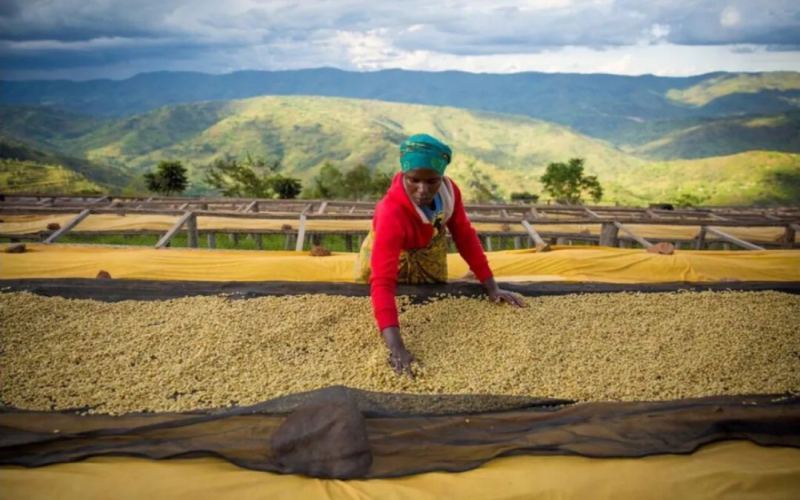
Located on the East African plateau, Ethiopia, with its unique geographical conditions and diverse cultivation systems, gives rise to coffees of widely varying styles. This article focuses on the Grana Estate in the Yirgacheffe region—a rare farm that cultivates only a single Geisha variety—exploring its greenhouse seedling cultivation, intelligent management, and selective harvesting of ripe red cherries, and presenting the citrus acidity, ginger flower aroma, and delicate sweetness of this Front Street Grana Estate Geisha, giving you insight into the unique charm of estate-level Geisha from Ethiopia. [more…]
How Do Espresso Beans Differ from Single-Origin Beans? A Comprehensive Analysis from Blending Principles to SOE
Friends who often drink lattes and cappuccinos may never have thought that the coffee beans used in these drinks and the single-origin beans for pour-over actually follow two different paths. Espresso beans usually refer to the beans used to make Espresso, most of which are blends of coffee from multiple origins in specific proportions, though there are also SOEs made from single-origin beans. Single-origin coffee beans emphasize traceability to a single origin or variety, and are suitable for pour-over, cold drip, and similar methods. The two differ in bean selection, roast level, and flavor expression, and understanding their differences will help you make a more suitable choice based on your own taste and equipment. Starting from Front Street Coffee's actual products, the following article breaks down layer by layer the logic of espresso blending, the characteristics of SOE, and the impact of freshness on flavor. [more…]